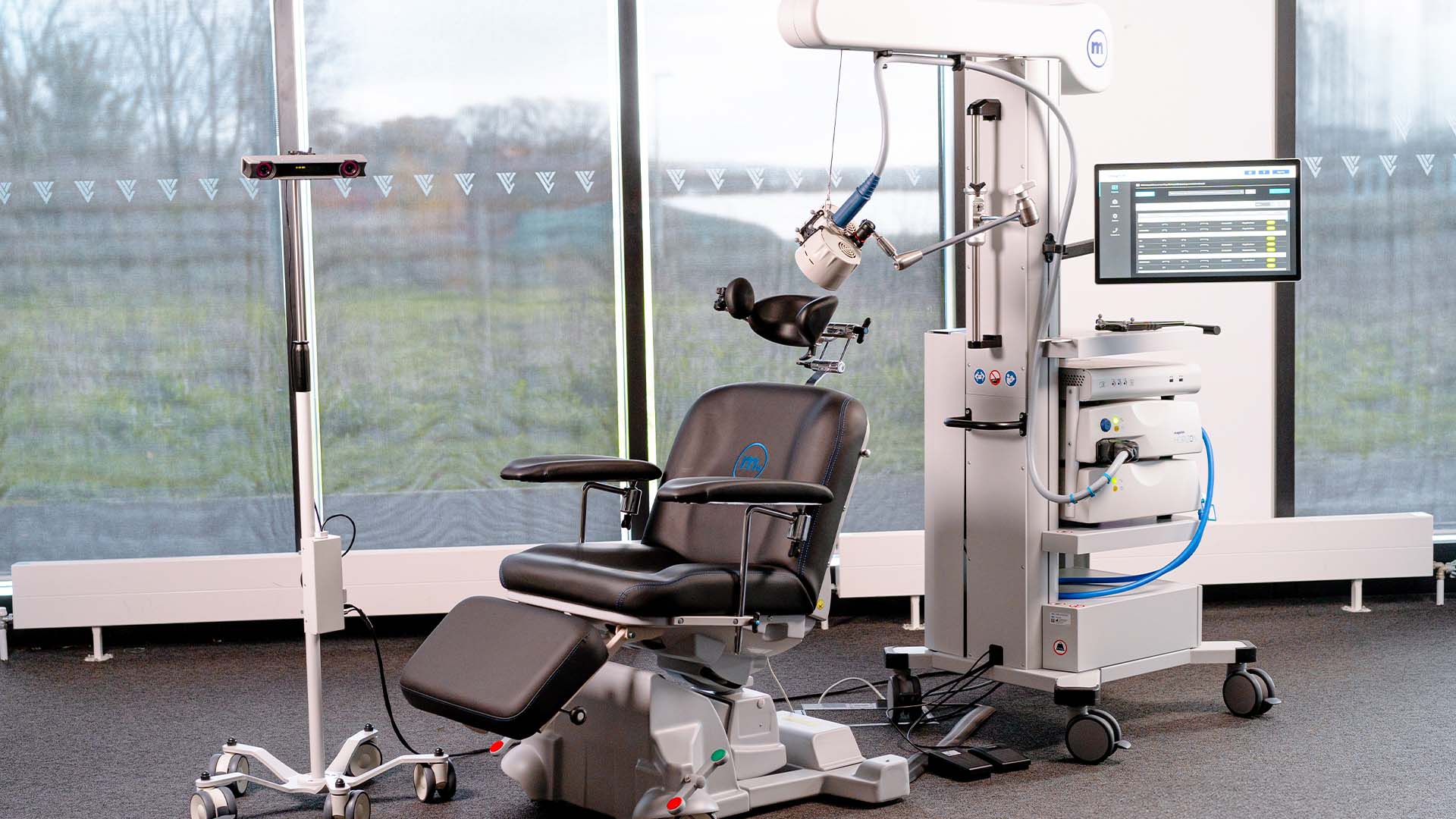
What Is TMS Therapy?
Transcranial Magnetic Stimulation (TMS) is a non-invasive, FDA-cleared brain stimulation treatment that uses targeted magnetic pulses to activate specific areas of the brain associated with mood regulation. Unlike medications that affect the entire body, TMS precisely targets the prefrontal cortex — the brain region responsible for controlling mood and emotional responses.
At Dr. Ritesh Amin's practice in Edison, NJ, TMS is offered as an advanced treatment option for patients who have not responded adequately to traditional therapies. Understanding whether you are a good candidate is the first step toward determining if TMS could help transform your mental health journey.
Who Is an Ideal Candidate for TMS Therapy?
TMS therapy is designed for specific groups of patients. Understanding these criteria can help you determine whether this treatment might be appropriate for your situation.
1. Treatment-Resistant Depression
The most common reason patients seek TMS therapy is treatment-resistant depression (TRD). You may be considered treatment-resistant if you have:
- Tried two or more antidepressants without adequate relief
- Experienced intolerable side effects from medications
- Undergone psychotherapy without sufficient improvement
- Continued to experience significant depressive symptoms despite treatment attempts
TMS offers hope for these patients by providing an alternative mechanism of action that does not rely on medication.
2. Medication Intolerance
Some patients cannot tolerate antidepressant medications due to:
- Significant side effects such as weight gain, sexual dysfunction, or fatigue
- Adverse interactions with other medications
- Allergies or sensitivities to pharmaceutical compounds
- Desire to avoid long-term medication use
Since TMS is entirely drug-free, it provides a viable alternative for patients seeking relief without systemic medication effects.
3. Anxiety Disorders
While FDA-approved specifically for depression and OCD, TMS has shown promising results for various anxiety disorders including:
- Generalized Anxiety Disorder (GAD)
- Post-traumatic Stress Disorder (PTSD)
- Panic Disorder
- Social Anxiety Disorder
If you experience anxiety alongside depression — which is extremely common — TMS may address both conditions simultaneously.
4. Obsessive-Compulsive Disorder (OCD)
TMS received FDA clearance for OCD in 2018, making it one of the first non-medication treatments specifically approved for this condition. Patients with OCD who have not responded to cognitive behavioral therapy (CBT) or medication may benefit significantly from TMS.
5. Patients Seeking Non-Drug Alternatives
Some patients prefer to explore non-pharmaceutical approaches to mental health treatment. Reasons include:
- Concerns about dependency or long-term medication use
- Previous negative experiences with psychiatric medications
- Preference for targeted, localized treatment over systemic approaches
- Desire to minimize side effect profiles
TMS aligns perfectly with these preferences, offering effective treatment without the systemic effects of medication.
Who Should NOT Receive TMS Therapy?
While TMS is safe for most patients, certain conditions may preclude treatment. You should NOT receive TMS if you have:
- Metallic implants near the head — including cochlear implants, aneurysm clips, or metal fragments in the eyes or skull
- Active seizures or epilepsy — unless specifically approved by a neurologist
- Deep brain stimulators or other implanted electrical devices
- Pregnancy — safety during pregnancy has not been established
Important: Always disclose your complete medical history to your TMS provider. A thorough evaluation will determine whether TMS is safe and appropriate for you.
What Conditions Does TMS Treat?
TMS therapy has demonstrated effectiveness for several conditions:
| Condition | FDA Status | Evidence Level |
|---|---|---|
| Major Depressive Disorder | FDA Cleared | Strong |
| Obsessive-Compulsive Disorder | FDA Cleared | Strong |
| Anxiety | Off-Label | Growing |
| PTSD | Off-Label | Promising |
| Smoking Cessation | FDA Cleared | Moderate |
The TMS Candidate Evaluation Process
At Dr. Ritesh Amin's Edison, NJ practice, every potential TMS candidate undergoes a comprehensive evaluation to ensure safety and maximize treatment effectiveness.
Step 1: Initial Consultation
Your journey begins with an in-depth consultation to review:
- Your complete psychiatric history and current symptoms
- Previous treatment attempts and their outcomes
- Current medications and medical conditions
- Your treatment goals and expectations
Step 2: Medical Clearance
Before treatment begins, you will receive medical clearance including:
- Review of any contraindications (metal implants, seizures, etc.)
- Assessment of overall physical health
- Verification that TMS is appropriate for your specific case
Step 3: Personalized Treatment Planning
Once cleared, your provider will design a customized TMS protocol based on:
- Your specific diagnosis and symptom profile
- Target brain regions for stimulation
- Treatment frequency and session duration
- Integration with any ongoing therapies
What to Expect During TMS Treatment
Understanding the treatment process can help set realistic expectations:
- Treatment Duration: 5 sessions per week for 4-6 weeks
- Session Length: Approximately 20-40 minutes per session
- During Treatment: You remain awake, alert, and comfortable
- After Treatment: No downtime — return to normal activities immediately
Most patients describe the sensation as a gentle tapping or clicking on the scalp. The treatment is non-invasive and well-tolerated by the vast majority of patients.
TMS Success Rates and Outcomes
Clinical research has demonstrated impressive outcomes for TMS therapy:
- Response Rate: Approximately 50-60% of patients experience significant symptom improvement
- Remission Rate: About 30-40% of patients achieve full remission of symptoms
- Onset of Action: Many patients notice improvement within 2-3 weeks of treatment
- Durability: Effects can last 6-12 months or longer, with maintenance sessions available if needed
The Bottom Line: If you have struggled with depression, anxiety, OCD, or related conditions without finding adequate relief, TMS therapy may offer the breakthrough you have been seeking.
TMS vs. Medication: A Quick Comparison
| Factor | TMS Therapy | Antidepressant Medication |
|---|---|---|
| Treatment Approach | Targeted brain stimulation | Systemic medication |
| Side Effects | Mild scalp discomfort | Various (weight gain, sexual dysfunction, etc.) |
| Time to Effect | 2-4 weeks | 4-6 weeks |
| Daily Commitment | 5 days/week for 4-6 weeks (in-office) | Daily oral medication |
| Dependency Risk | None | Possible with some medications |
Take the Next Step
If you believe you may be a good candidate for TMS therapy, the first step is a comprehensive evaluation with an experienced provider. At Dr. Ritesh Amin's practice in Edison, NJ, you will receive:
- Thorough assessment by a board-certified psychiatrist
- Clear explanation of all treatment options
- Personalized recommendations based on your unique needs
- Ongoing support throughout your treatment journey
Do not give up hope if traditional treatments have not worked for you. Schedule a consultation today to learn whether TMS therapy could be the right choice for your mental health.
Final Thoughts
TMS therapy represents a significant advancement in psychiatric treatment, offering hope for patients who have not found relief through traditional methods. While not everyone is a candidate, those who are well-suited for TMS often experience meaningful, life-changing improvements.
Key factors that make someone a good candidate include treatment-resistant depression, medication intolerance, anxiety disorders, OCD, or simply the desire for a non-drug approach to mental health treatment. A comprehensive evaluation with a qualified TMS provider is the best way to determine if this innovative treatment is right for you.
At Dr. Ritesh Amin's Edison, NJ practice, patients receive expert care from a board-certified psychiatrist with extensive experience in TMS therapy. Take the first step toward feeling like yourself again — request a consultation today.
Common Questions
The ideal TMS candidate typically has treatment-resistant depression (failed 2+ medications), cannot tolerate antidepressants due to side effects, or has anxiety disorders, OCD, or PTSD alongside depression. A comprehensive evaluation with a qualified psychiatrist determines candidacy.
Patients with metallic implants near the head (cochlear implants, aneurysm clips), active seizures or epilepsy, deep brain stimulators, or who are pregnant should not receive TMS. Always disclose your complete medical history during evaluation.
Yes, TMS has shown promising results for anxiety disorders including Generalized Anxiety Disorder, PTSD, panic disorder, and social anxiety. While FDA-approved specifically for depression and OCD, its use for anxiety is considered off-label with growing clinical evidence.
A typical TMS treatment course consists of 5 sessions per week for 4-6 weeks, totaling 20-30 sessions. Each session lasts approximately 20-40 minutes. Most patients return to normal activities immediately after each session.
Clinical studies show approximately 50-60% of patients experience significant symptom improvement, and 30-40% achieve full remission. Many patients notice improvement within 2-3 weeks, with effects potentially lasting 6-12 months or longer.
Many insurance plans cover TMS for FDA-approved indications (depression, OCD). Coverage typically requires documentation of treatment-resistant depression (failed 2+ medication trials). Contact your provider to verify coverage and requirements for your specific plan.
Yes - TMS often works best as part of a comprehensive treatment plan. Many patients continue psychotherapy during and after TMS treatment. Your psychiatrist may also recommend adjusting current medications based on your response to therapy.
Have more questions? Schedule a consultation →